Interview
The Architecture of Flow: Sivan Arbel on Bazrima and the Art of the Duo
April, 2026
By: Robin Boer
Reflect on the transition between your last release, Oneness, and the point at which you began conceptualizing Bazrima. What internal or external shifts defined that interval?
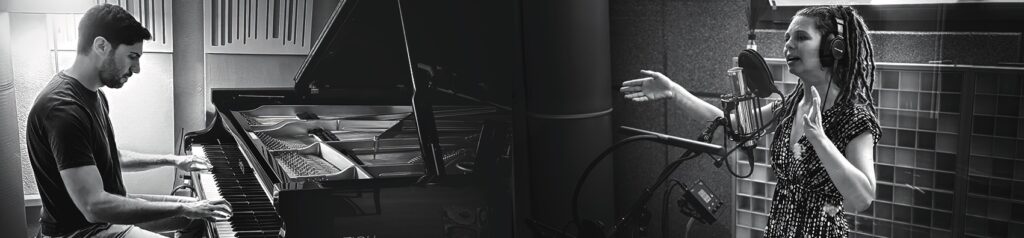
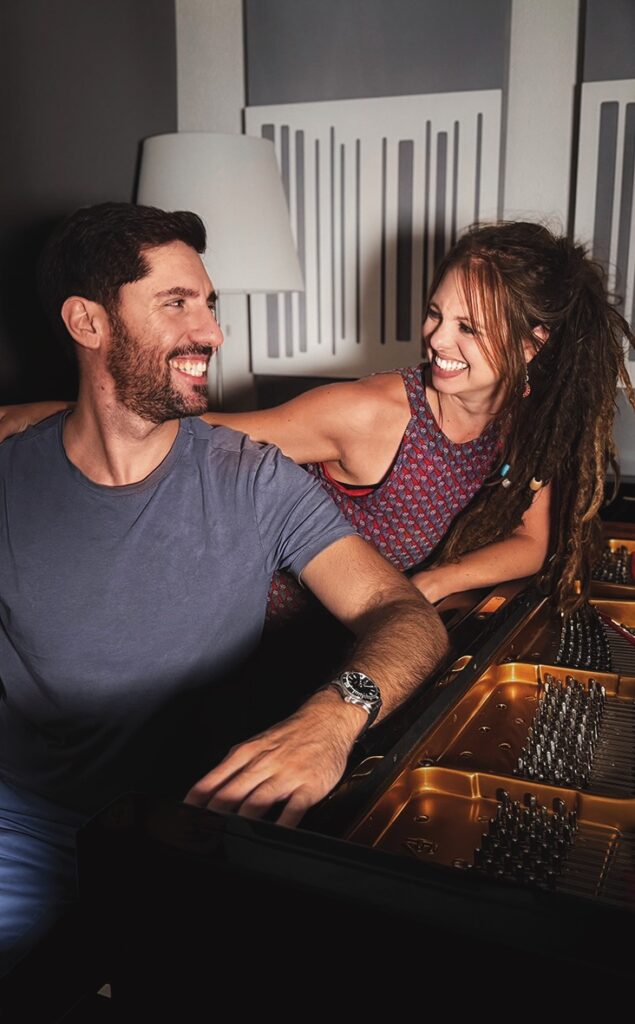
To be honest, I didn’t expect to record another album so soon after Oneness. While I was still in the process of releasing it, I met Andrea, the pianist on this duo project, and we began collaborating. Even though we live on opposite sides of the world, every time we met, the musical connection felt completely natural and almost effortless.
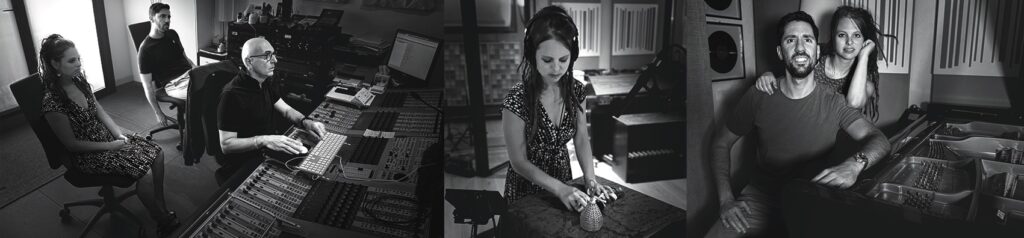
What made this project especially transformative for me was the shift in roles. I’m used to creating albums as the sole bandleader, but here, Andrea and I shared the roles of composers, producers, and artistic directors. That dynamic opened up a whole new artistic space of learning how to listen differently, to trust another voice equally in the decision-making process, and to find a true balance amongst ourselves. I think you can hear that sense of dialogue and shared intention in the music itself.
Congratulations on this release. Detail the circumstances of your meeting with Andrea and the subsequent evolution of your collaboration leading into this album’s recording.
Thank you! Andrea and I met in a pretty serendipitous way. I was on vacation in Israel, and one night I joined some friends for a jam session at a jazz club in Tel Aviv. After the show, I noticed this very tall person speaking with one of the musicians and mentioning that he was from Italy. That immediately caught my attention, since I’ve been performing in Italy for nearly a decade and feel a deep connection to the country and its people.
We didn’t end up speaking that night, but a few days later we crossed paths again at the Jerusalem Jazz Festival. This time, I went straight up to him and introduced myself. That simple moment led to a longer conversation where we quickly discovered shared sensibilities, both musically and personally.
A few months later, I was already scheduled to be in Italy, so we arranged to meet and perform together in Mantova, Andrea’s hometown. From there, the collaboration grew very organically. We continued exchanging musical ideas, developing arrangements, and performing together across different countries, including Cyprus, Italy, Malta, and Austria. Not long after we began working together, we received support from Nuovo IMAIE, which allowed us to fully realize these ideas and bring them into our debut duo album, Bazrima.
How did your respective musical backgrounds (Israeli and Italian) influence the harmonic language of this project? Describe any moments where your differing cultural musicalities created a unique third sound.
Andrea comes from a strong classical background and later moved into jazz, and he also performs in silent film festivals, which gives him a very cinematic and textural approach to harmony. On the other hand, my path has been shaped by jazz as well, but also by a deep exploration of Indian Classical music, along with my work as a songwriter and lyricist.
In many ways, Andrea brings the harmonic architecture, while I’m often drawn to melody and storytelling. I also wrote lyrics to some of his compositions, both in Hebrew and English, which naturally transformed them and added another layer of meaning. At the same time, we both have a strong connection to rhythm, each from our own personal influences, and that becomes a shared meeting point.
How does the compositional style of this album differ from your previous works? Identify specific elements (harmonic, rhythmic, or conceptual) that represent a departure for you.
When I compose, I usually imagine the musicians who will be part of the project. In the past, that often meant writing for a full rhythm section, and earlier on, even for a septet with horns. I had never really envisioned my music in such a stripped-down setting as voice and piano.
When this project began to take shape, I revisited some compositions I had written over the years but never recorded. Suddenly, it felt like they had been waiting for this exact context. Something more intimate, spacious, and personal that could truly serve this duo format.
Even though some of the music itself isn’t new, the addition of lyrics brought a more contemporary and relevant layer to the work. They reflect my thoughts on the emotional and mental state of our world today, as well as my own connection to what’s happening in the land where I grew up.
Musically, this project also represents a shift for me. In the absence of a full band, the voice sometimes takes on roles that might otherwise belong to instruments: rhythmic patterns, inner lines, or textural elements. That expanded function of the voice, alongside the intimacy of the setting, opened up a new compositional and expressive space for me.
In what ways did the specific timbre and technical approach of an Italian pianist reshape your existing compositions? Did the presence of the piano style necessitate a change in your own performance dynamics?
I wouldn’t say that Andrea’s approach feels different simply because he’s Italian. It’s really about him as an individual artist and the influences he brings. I’ve worked with musicians from many different backgrounds over the years, and what shapes the sound is often less about geography and more about musical education, listening habits, and personal sensibility.
That said, the piano-voice setting is incredibly exposed and intimate, so every nuance becomes more present. With Andrea, I feel it especially in our rhythmic dynamic. His classical background brings a sense of elasticity, a kind of breathing within the time rather than a strict, grid-based approach.
That push and pull has definitely influenced my performance. Instead of floating over a strong rhythm section, I find myself becoming more of a structural partner. Almost like a pillar within the music. It invites a deeper level of listening and responsiveness, and ultimately creates a more conversational and fluid interplay between us.
How does the environment of Brooklyn function as a catalyst for your collaborations? In what ways does the city’s specific energy shape the creative output compared to the other global spaces where you have lived and worked?
Related to this project, I think the biggest catalyst was the community of Brooklyn Raga Massive and my teacher of Hindustani music, which I’ve been studying for the past five years. That created a big influence on my sound, improvisation, and compositional ideas which one can subtly hear on this album.
Sustaining a career as an independent artist presents significant challenges, particularly within the current geopolitical and economic climate. How do you navigate the present state of the music industry, and what remains your primary source of motivation?
Sustaining a career as an independent artist is far from glamorous, despite how it may appear from the outside. There’s an immense amount of work happening behind the scenes, and a big part of that is staying connected to the love and purpose behind making music. For me, it’s essential. It’s like breathing. If I don’t make music, something in my soul begins to fade. In that sense, it’s a kind of survival, but in the most meaningful way.
At the same time, living in one of the most expensive cities in the world means I have to stay flexible and proactive. I collaborate with other artists, produce my own events, and teach. I feel like I’m constantly trying to balance all those “hats.” The industry itself is becoming more challenging: meaningful music now exists alongside AI-generated content, streaming is hardly sustainable, and many performances don’t cover basic living expenses. It’s a difficult reality, but on the other hand, I also see artists coming together more to create their own spaces, building community, and advocating for change, which gives me hope for a more sustainable and human-centered future.
Regarding your trajectory over the next two years: what specific milestones or creative territories do you intend to explore?
I would like to deepen my relationship with the Indian Classical music expression, as well as finding more opportunities to advocate for my freelance community here in NYC.
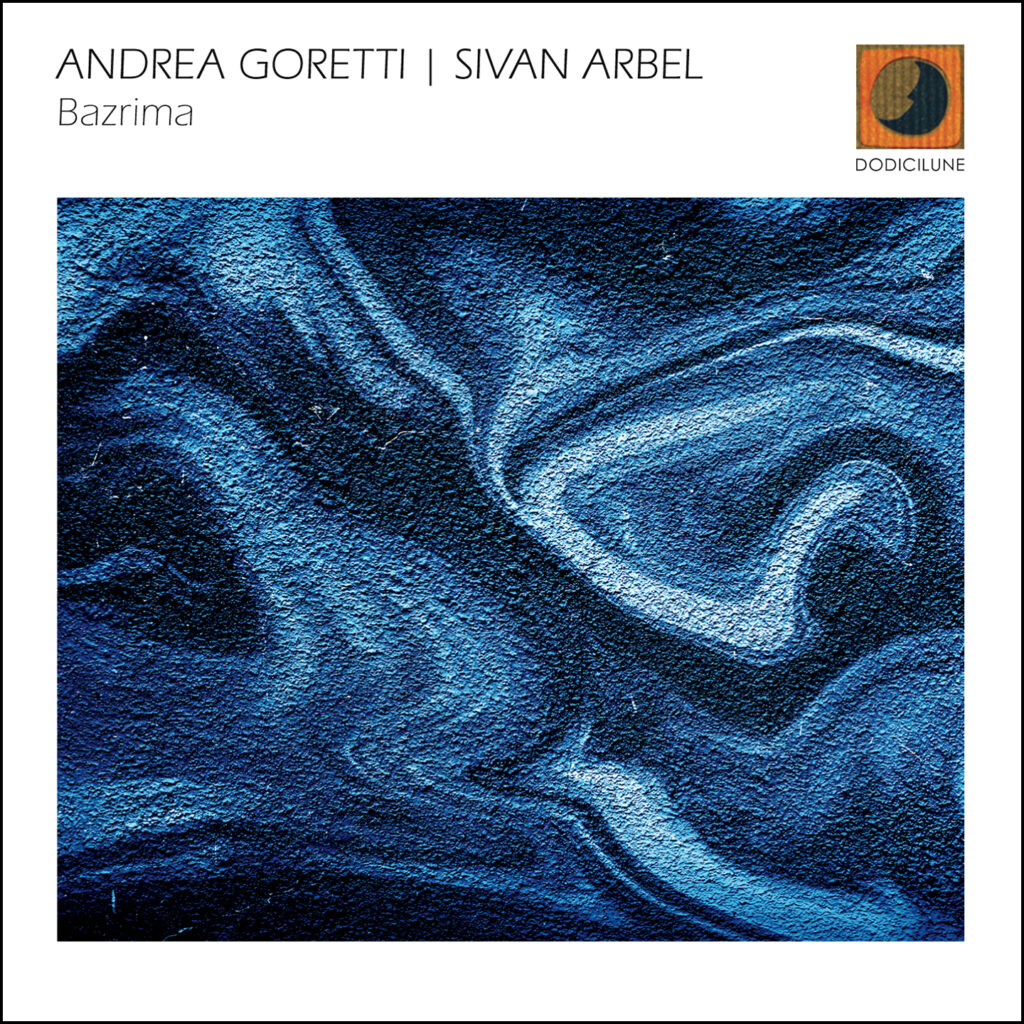
This music from our album Bazrima, which means “flow” in Hebrew, does not belong to us anymore. It’s out in the world and every person can interpret it in any way that their soul truly needs. We would love to hear from new listeners on how this album touched you.
Website Sivan Arbel
Bandcamp Sivan Arbel
Website Andrea Goretti
Bandcamp Andrea Goretti
Dodicilune Store